KanBo – The Pharma-Focused Work Coordination Maestro
Experience ultimate task alignment, communication and collaboration
Trusted globally, KanBo, bridges the gap between management and engineering in complex pharmaceutical organizations. Seamless coordination, advanced project planning, and outstanding leadership are made possible through our versatile software. Stride toward your mission-critical goals with superior collaboration and communication.
KanBo: Streamlining Work Coordination in the Pharmaceutical Industry
Introduction:
In today’s fast-paced pharmaceutical industry, efficient work coordination is essential for successful research and development (R&D) processes. KanBo, a leading work coordination platform, aims to enhance work coordination in the pharmaceutical industry through its comprehensive software solution. By focusing on task alignment, communication, and collaboration, KanBo facilitates seamless coordination across functions, efficient project planning, and real-time project visibility. This article explores how KanBo streamlines operations, improves cross-functional collaborations, and enhances leadership efficiency within the pharma industry.
Enhancing Communication and Collaboration:
KanBo’s software is designed to enhance communication and collaboration within R&D teams. Through collaborative workspaces and communication tools, the platform enables teams to easily share information, exchange ideas, and collaborate on projects in real-time. This fosters cross-functional collaborations, allowing teams to work together efficiently and effectively towards common goals.
Efficient Project Planning:
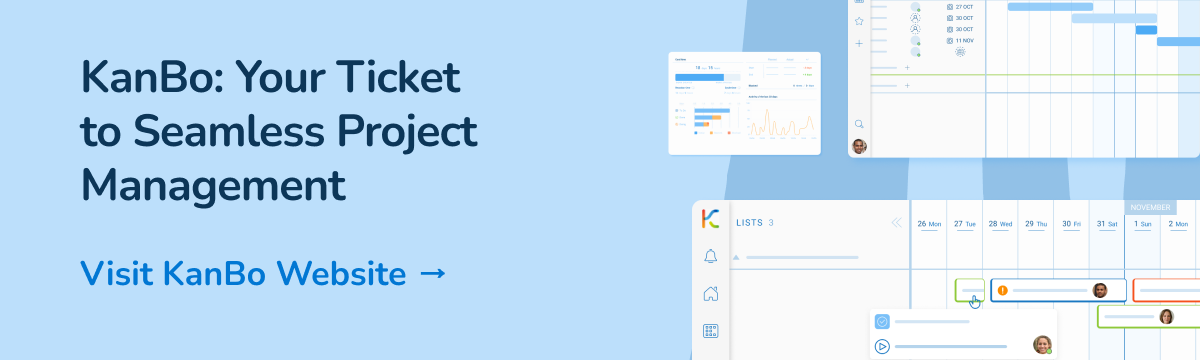
KanBo’s software facilitates efficient project planning by providing a comprehensive overview of the project lifecycle. With features such as task assignment, timeline creation, and resource allocation, the platform ensures that projects are planned and executed seamlessly. Teams can easily track progress, identify bottlenecks, and make necessary adjustments to keep projects on track.
Real-time Project Visibility:
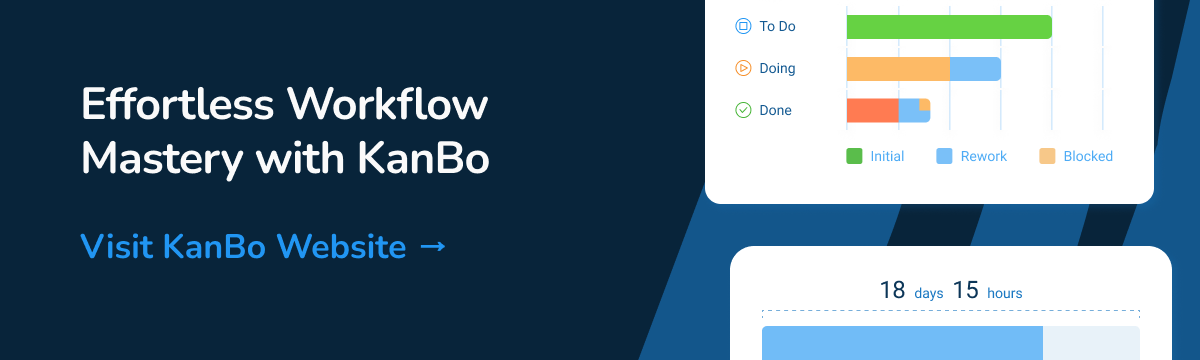
Real-time project visibility is a key feature of KanBo’s software. Through its advanced analytics and reporting capabilities, the platform provides real-time insights into project progress, resource utilization, and performance metrics. This enables leaders to make informed decisions, allocate resources effectively, and ensure timely project completion.
Aid in Pharmaceutical Engineering Tasks:
KanBo understands the unique challenges faced by pharmaceutical engineering teams. The platform offers features specifically tailored to support pharmaceutical engineering tasks. From document management and version control to compliance and security features, KanBo ensures that critical information is securely managed, accessible, and traceable throughout the R&D process.
Conclusion:
KanBo’s work coordination platform is a game-changer for the pharmaceutical industry. By improving task alignment, facilitating efficient project planning, boosting communication, and providing real-time project visibility, KanBo streamlines operations, enhances cross-functional collaborations, and upgrades leadership efficiency within the pharma industry. With its focus on research and development, KanBo empowers R&D teams to excel in their work, enabling innovation, and driving progress in the pharmaceutical industry. Adopting KanBo can truly transform the way pharmaceutical organizations approach R&D processes, leading to improved outcomes and a competitive edge in the market.
After being introduced to KanBo, a work coordination platform for large organizations, the Principal Scientist in this position can benefit from its features that enhance communication, coordination, data analysis, visualization, documentation, and security. KanBo is designed to streamline R&D processes, making it a valuable tool for managing the challenges involved in pharmaceutical research and development.
Challenge:
Pharmaceutical companies invest heavily in R&D to develop new medicines, improve existing treatments, and explore innovative therapies. The success of these projects depends on effective work coordination, communication, and collaboration across different teams and functions. In this specific role, the challenge lies in establishing and leading a new lentivirus production group for the generation and analysis of novel lentiviral vectors (LVV) and their cargo. The complex nature of this task requires close collaboration with disease area and analytics counterparts, as well as coordinating with gene therapy and disease area groups outside of the organization.
Solution:
KanBo provides a comprehensive solution to address the challenges faced by the Principal Scientist in this position. With its collaborative workspaces, the scientist can easily communicate and coordinate with team members, across functions and departments, to merge the development of complex lentiviral vectors with innovative production and characterization methods. KanBo’s data science tools enable efficient analysis of production processes and continuous improvement of product quality. The platform also supports document management, ensuring that experimental designs, protocols, results, and interpretations are easily accessible to the varied audience. Additionally, KanBo’s secure infrastructure protects sensitive information and intellectual property.
By utilizing KanBo, the Principal Scientist can effectively establish the internal LVV production platform, prioritize production schedules, and efficiently execute workflows on time. The platform’s features also enable the scientist to stay updated with current scientific literature and techniques in the field of virus production. KanBo’s ability to balance multiple projects under demanding timelines ensures that project goals are effectively completed.
In conclusion, KanBo is a powerful platform that transforms R&D coordination for global impact. Its features facilitate communication, coordination, and collaboration, enhancing the efficiency and success of research and development projects in the pharmaceutical industry.
Q&A
1. How does KanBo enhance communication and collaboration within R&D teams in the pharmaceutical industry?
KanBo enhances communication and collaboration within R&D teams in the pharmaceutical industry by providing collaborative workspaces and communication tools. This allows teams to easily share information, exchange ideas, and collaborate on projects in real-time. Cross-functional collaborations are fostered, enabling teams to work together efficiently and effectively towards common goals.
2. How does KanBo facilitate efficient project planning in the pharmaceutical industry?
KanBo facilitates efficient project planning in the pharmaceutical industry through its comprehensive features. The platform enables task assignment, timeline creation, and resource allocation, ensuring that projects are planned and executed seamlessly. Teams can track progress, identify bottlenecks, and make necessary adjustments to keep projects on track. This streamlines project planning processes and ensures timely project completion.
3. What are the benefits of real-time project visibility provided by KanBo in the pharmaceutical industry?
Real-time project visibility is a key feature of KanBo’s software in the pharmaceutical industry. The platform’s advanced analytics and reporting capabilities provide real-time insights into project progress, resource utilization, and performance metrics. This enables leaders to make informed decisions, allocate resources effectively, and ensure timely project completion. Real-time project visibility helps in identifying areas of improvement, optimizing resource allocation, and maximizing overall productivity.
Did you know that KanBo is more than just a tool for Research and Development (R&D) Focus in the pharmaceutical industry? While it excels in streamlining R&D processes for large organizations, KanBo offers a wide range of capabilities that go beyond R&D, making it a comprehensive work coordination platform for various departments and functions within pharmaceutical companies.
One of the key strengths of KanBo lies in its collaborative workspaces, which enable teams from different departments such as marketing, sales, regulatory affairs, and supply chain to align their efforts and work together effectively. These workspaces provide a centralized hub for cross-functional collaboration, allowing teams to easily share information, assign tasks, and track progress in real-time.
Data science tools integrated into KanBo empower pharmaceutical companies to leverage the vast amounts of data they generate and turn it into meaningful insights. With advanced analytics and visualization capabilities, teams can uncover hidden patterns, identify trends, and make data-driven decisions to drive innovation and improve operational efficiency.
Document management is another essential feature of KanBo that benefits all departments in a pharmaceutical organization. With secure infrastructure and version control, teams can easily collaborate on documents, ensuring that the latest version is always accessible, eliminating the risk of working with outdated information.
Moreover, KanBo goes beyond facilitating communication and coordination. It also supports the documentation of processes, procedures, and best practices, enabling knowledge sharing and fostering continuous improvement across the organization.
In summary, KanBo is not limited to being just a tool for R&D focus in the pharmaceutical industry. Its capabilities extend to other departments, facilitating collaboration, data analysis, document management, and process documentation. By leveraging KanBo’s comprehensive features, pharmaceutical companies can enhance their overall work coordination and achieve greater efficiency and productivity across the organization.