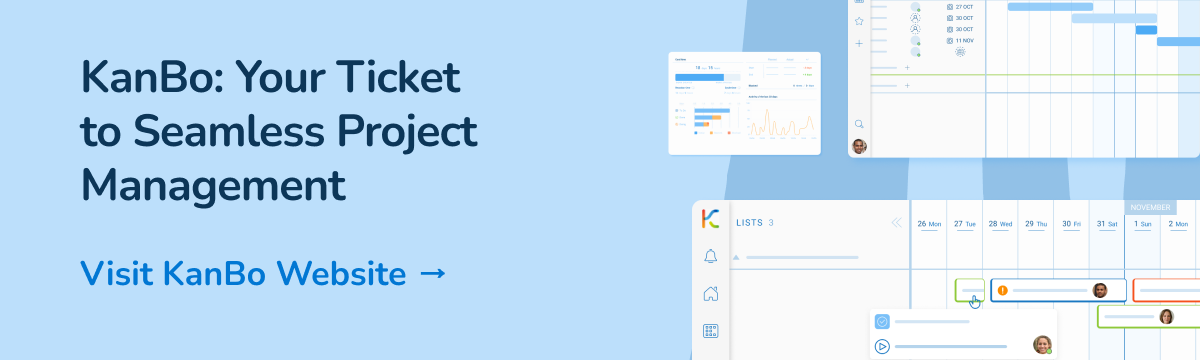
KanBo – The Pharma-Focused Work Coordination Maestro
Experience ultimate task alignment, communication and collaboration
Trusted globally, KanBo, bridges the gap between management and engineering in complex pharmaceutical organizations. Seamless coordination, advanced project planning, and outstanding leadership are made possible through our versatile software. Stride toward your mission-critical goals with superior collaboration and communication.
Enhancing Work Coordination in Pharma R&D: KanBo’s Innovative Approach
Introduction:
In the fast-paced and highly regulated world of pharmaceutical research and development (R&D), seamless coordination, efficient project planning, and effective communication are essential for success. KanBo, a leading work coordination platform, offers a comprehensive solution to streamline operations, improve cross-functional collaborations, and upgrade leadership efficiency within the pharmaceutical industry. This article explores how KanBo’s software enhances work coordination in R&D, with a specific focus on the role of Principal Scientists in (Chemo)proteomics & Mass Spec.
KanBo’s Work Coordination Platform:
KanBo is a feature-rich work coordination platform designed to address the unique challenges faced by large organizations involved in pharmaceutical R&D. With collaborative workspaces, data science tools, document management capabilities, and robust security infrastructure, KanBo enables teams to excel in research, experimental design, and development.
Enhanced Communication and Collaboration:
One of KanBo’s primary goals is to foster effective communication and collaboration across functions within R&D teams. By providing a centralized platform for knowledge sharing and real-time collaboration, KanBo enables researchers, scientists, chemists, and pharmacologists to exchange ideas, share insights, and make informed decisions. This seamless coordination significantly improves cross-functional collaborations, driving innovation and maximizing the potential for groundbreaking discoveries.
Efficient Project Planning:
Efficient project planning is critical for successful R&D activities. KanBo’s software offers tools and features that facilitate efficient project planning, ensuring effective resource allocation, timeline creation, and task assignment. Principal Scientists can leverage KanBo to plan and manage their projects effectively, ensuring optimal use of resources and meeting vital milestones. The platform offers comprehensive visibility into project lifecycles, enabling leaders to make informed decisions based on real-time data.
Real-time Project Visibility:
Leadership plays a critical role in driving R&D endeavors. KanBo empowers Principal Scientists by providing real-time project visibility, allowing them to monitor progress, identify bottlenecks, and make timely adjustments. By gaining instant access to project updates, metrics, and insights, leaders can proactively address challenges and guide their teams towards success.
Supporting Pharmaceutical Engineering Tasks:
In addition to facilitating coordination and communication, KanBo aids in pharmaceutical engineering tasks. Principal Scientists in (Chemo)proteomics & Mass Spec can leverage the software to capture protein-ligand interactions, design new probe molecules, and validate targets in vitro and in cells. KanBo’s data science tools, combined with its secure infrastructure, enable efficient data analysis, visualization, and documentation, empowering R&D teams to make informed decisions and advance their research efforts.
Conclusion:
In the complex landscape of pharmaceutical R&D, KanBo’s work coordination platform offers a holistic solution to enhance task alignment, communication, and collaboration. Leveraging its features, Principal Scientists in (Chemo)proteomics & Mass Spec can streamline operations, improve cross-functional collaborations, and upgrade leadership efficiency. KanBo’s focus on real-time project visibility, effective resource allocation, and supporting pharmaceutical engineering tasks ensures that R&D teams can fulfill their responsibilities effectively, driving innovation and accelerating the discovery of life-changing medicines.
Introduction:
R&D is a critical focus for pharmaceutical companies, as it involves the development of new medicines, improvement of existing treatments, and exploration of innovative therapies. Effective work coordination is essential for managing R&D projects and clinical trials efficiently.
Challenge and Solution:
To address the challenges in R&D coordination, KanBo offers a comprehensive work coordination platform specifically designed for large organizations in the pharmaceutical industry. This platform provides various features, including collaborative workspaces, data science tools, document management, and a secure infrastructure.
KanBo’s platform empowers R&D teams by enhancing communication, coordination, data analysis, visualization, documentation, and security. With collaborative workspaces, team members can easily collaborate, share information, and align tasks related to research, experimental design, and development.
Additionally, KanBo’s data science tools enable R&D teams to analyze and gain insights from scientific data efficiently. Visualization features make it easier to understand complex data and accelerate the decision-making process.
Document management capabilities ensure that important research documents, protocols, and findings are securely stored and easily accessible to relevant team members. This helps teams maintain an organized and centralized repository of information, facilitating knowledge sharing and project continuity.
By providing a secure infrastructure, KanBo safeguards sensitive R&D information, ensuring compliance with data privacy regulations and protecting intellectual property.
KanBo’s platform transforms R&D coordination for global impact, fostering innovation and efficiency throughout the entire R&D lifecycle. It offers considerable opportunities for R&D professionals to branch out into other areas, such as probe design and target validation in vitro and in cells.
In summary, KanBo’s work coordination platform is tailored to meet the specific needs of the pharmaceutical industry, enabling efficient R&D coordination and facilitating successful drug discovery and development processes.
Q&A
1. QA: How does KanBo’s work coordination platform enhance collaboration in pharmaceutical R&D?
Answer: KanBo’s work coordination platform enables seamless collaboration in pharmaceutical R&D by providing a centralized platform for knowledge sharing and real-time collaboration. Researchers, scientists, chemists, and pharmacologists can exchange ideas, share insights, and make informed decisions, improving cross-functional collaborations and driving innovation.
2. QA: How does KanBo support efficient project planning in pharmaceutical R&D?
Answer: KanBo’s software offers tools and features that facilitate efficient project planning in pharmaceutical R&D. It enables effective resource allocation, timeline creation, and task assignment, empowering Principal Scientists to plan and manage their projects effectively. With comprehensive visibility into project lifecycles, leaders can make informed decisions based on real-time data.
3. QA: How does KanBo’s work coordination platform assist Principal Scientists in (Chemo)proteomics & Mass Spec tasks?
Answer: KanBo’s work coordination platform supports Principal Scientists in (Chemo)proteomics & Mass Spec tasks by providing tools for capturing protein-ligand interactions, designing new probe molecules, and validating targets in vitro and in cells. The platform’s data science tools, combined with its secure infrastructure, enable efficient data analysis, visualization, and documentation, empowering R&D teams to make informed decisions and advance their research efforts.
Did you know that KanBo is more than just a tool for Research and Development (R&D) focus in the pharmaceutical industry? While KanBo excels in enhancing R&D processes and coordination, its capabilities extend beyond the realm of scientific research. With its versatile features and user-friendly interface, KanBo can be leveraged across various functions within the pharmaceutical sector.
One area where KanBo makes a significant impact is project management. By providing a comprehensive overview of project lifecycles, KanBo enables efficient resource allocation, timeline creation, and task assignment. Project managers can monitor progress in real-time, identify bottlenecks, and make data-driven decisions to ensure projects stay on track and are delivered on time.
In addition, KanBo facilitates cross-functional collaborations by breaking down silos and enabling seamless communication and knowledge sharing. Teams from different departments, such as marketing, operations, or regulatory affairs, can collaborate on projects, share updates, and exchange ideas. This synergy enhances productivity, drives innovation, and fosters a collaborative culture within the organization.
Moreover, KanBo empowers leadership by providing real-time visibility into project statuses. Managers can easily track and assess team performance, identify areas of improvement, and provide guidance where needed. With KanBo, leaders can make informed decisions based on accurate data, ensuring that the organization operates efficiently and effectively.
Furthermore, KanBo can also enhance pharmaceutical engineering tasks by providing a centralized platform for documentation, version control, and collaboration on engineering projects. This streamlines processes, reduces errors, and ensures compliance with industry regulations and standards.
In conclusion, while KanBo is a powerful tool for R&D coordination and enhancing scientific research, its capabilities extend far beyond that scope. With its comprehensive project management features, cross-functional collaboration capabilities, leadership empowerment, and support for pharmaceutical engineering tasks, KanBo is a versatile platform that can revolutionize work coordination and efficiency across various functions within the pharmaceutical industry.